
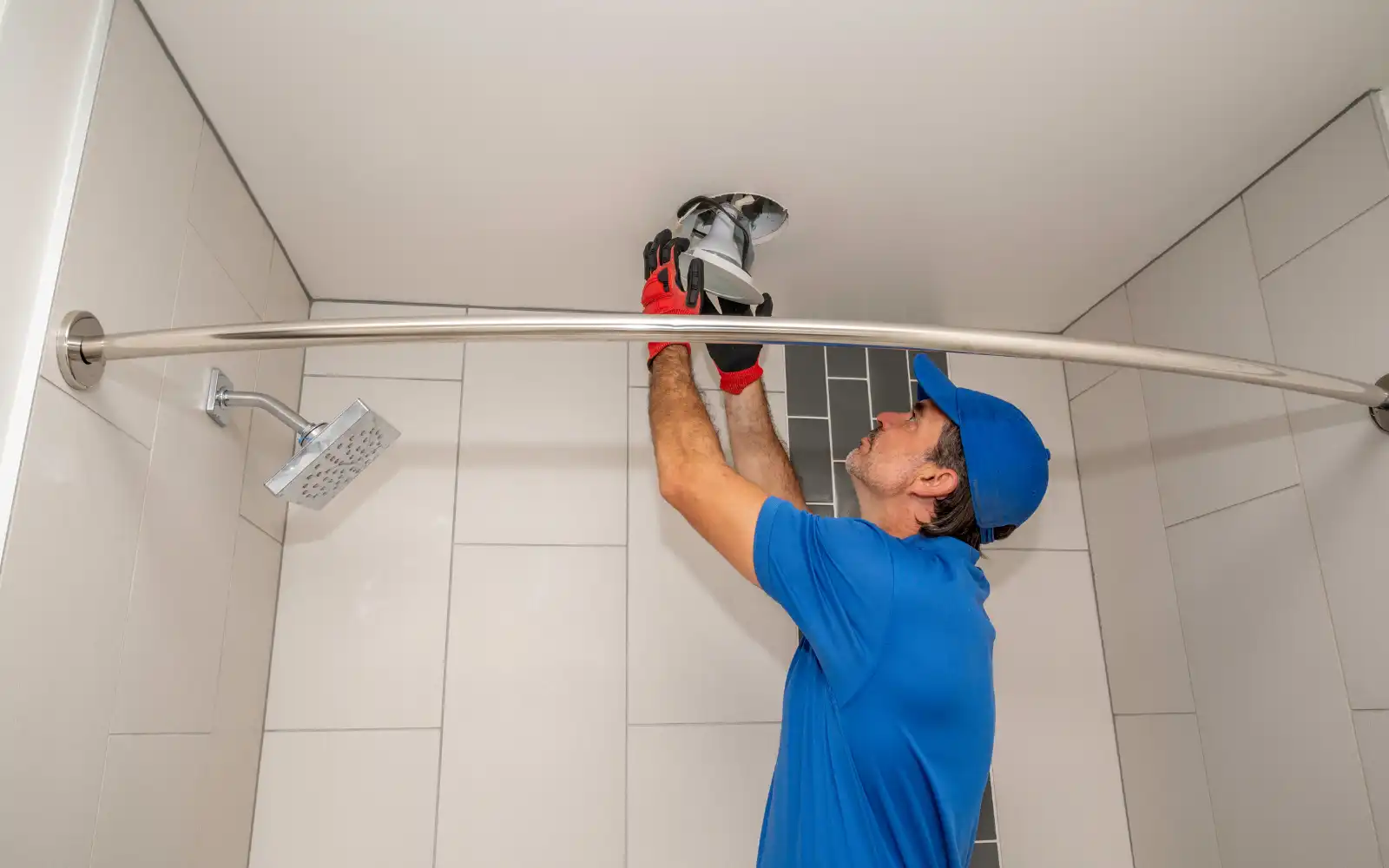
The Complete Guide to Bathroom Electrics

When it comes to renovating your bathroom, electrical work is one of the most critical aspects to consider. The combination of electricity and water presents unique safety risks, making it crucial that all bathroom electrics are properly planned, installed, and maintained. Whether you’re adding new lighting, upgrading your extractor fan, or installing underfloor heating, understanding how to safely handle bathroom electrics will ensure that your space is both functional and safe.
This guide will cover everything you need to know about bathroom electrics, from safety regulations and zoning to product choices and installation tips. Whether you’re planning a complete remodel or just a few upgrades, the information here will help you make informed decisions.
Disclaimer: Always consult a qualified electrician or bathroom fitter for any electrical work in your bathroom. Improper installation can be dangerous and may void your insurance.
Safety Regulations for Bathroom Electrics
Before diving into the design and installation of bathroom electrics, it’s essential to understand the safety regulations that apply. Bathrooms are considered high-risk areas due to the presence of water, which increases the chance of electric shock if devices are not correctly installed. In the UK, bathroom electrics are subject to strict regulations that govern what can be installed and where.

Bathroom Electrical Zones
The first thing to know is that bathrooms are divided into electrical “zones” based on their proximity to water. These zones determine what types of electrical fittings and devices can be safely installed.
- Zone 0: This is the area inside the bath or shower. Only electrical items with an IPX7 rating (protected against immersion in water) are permitted here. These must also be low voltage, typically 12V or less.
- Zone 1: This area covers the space directly above the bath or shower, up to a height of 2.25m. Devices installed here, such as lights or extractor fans, must be rated IPX4 or higher, and only SELV (Separated Extra Low Voltage) systems should be used.
- Zone 2: This extends 0.6m around the bath or shower. Any devices in this zone must also have an IPX4 rating to be safe from water splashes.
- Outside Zones: Beyond Zone 2, there are fewer restrictions, though all fittings must still be appropriately rated for use in a bathroom.
Understanding these zones is essential for placing lights, heaters, and other electrical devices safely. Proper planning in this area will not only ensure safety but also avoid costly mistakes down the line.
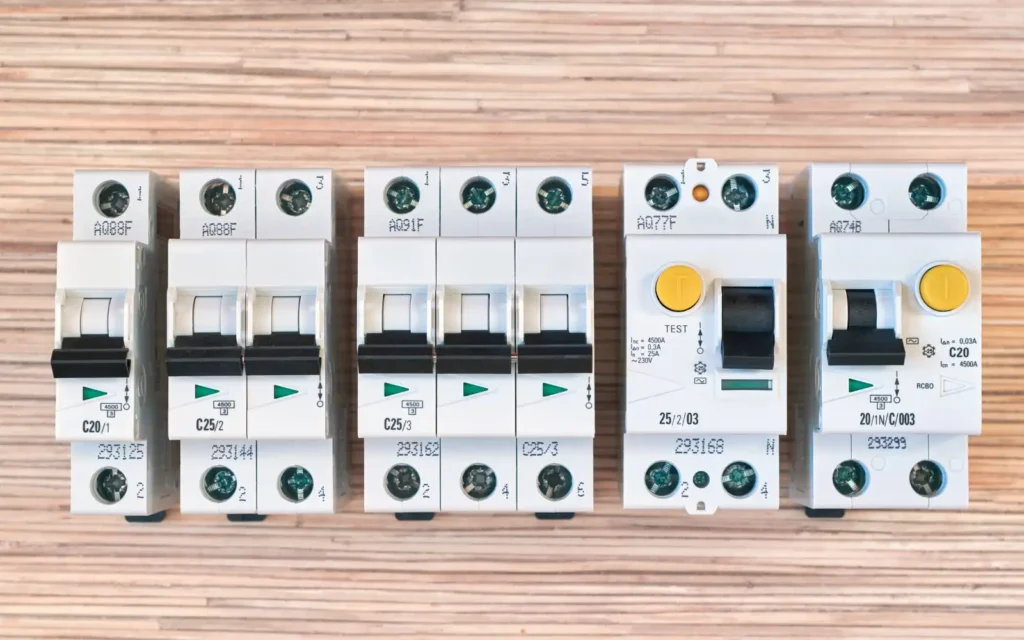
RCD (Residual Current Device) Protection
Another essential safety feature for any bathroom electrical installation is RCD protection. An RCD is a safety device that automatically cuts off the electricity if it detects an imbalance in the current, which can happen if there’s a fault or someone is electrocuted.
In the UK, all electrical circuits in bathrooms must be protected by an RCD. This is especially important given the wet environment of a bathroom, where the risk of electric shock is higher.
Certification and Legal Requirements
Under UK law, all bathroom electrical work must comply with Part P of the Building Regulations, which ensures that domestic electrical installations are designed and installed safely. Any work in a bathroom must be carried out by a certified electrician. DIY electrical work in bathrooms is not only dangerous but also illegal in many cases. Improper installations can void your insurance, leave you with a hefty repair bill, or worse, create a serious safety hazard.
Disclaimer: Always hire a certified electrician for any electrical work in your bathroom. The risks of DIY installations far outweigh the cost savings.
For more information on electrical zones and IP ratings, check out this video below!
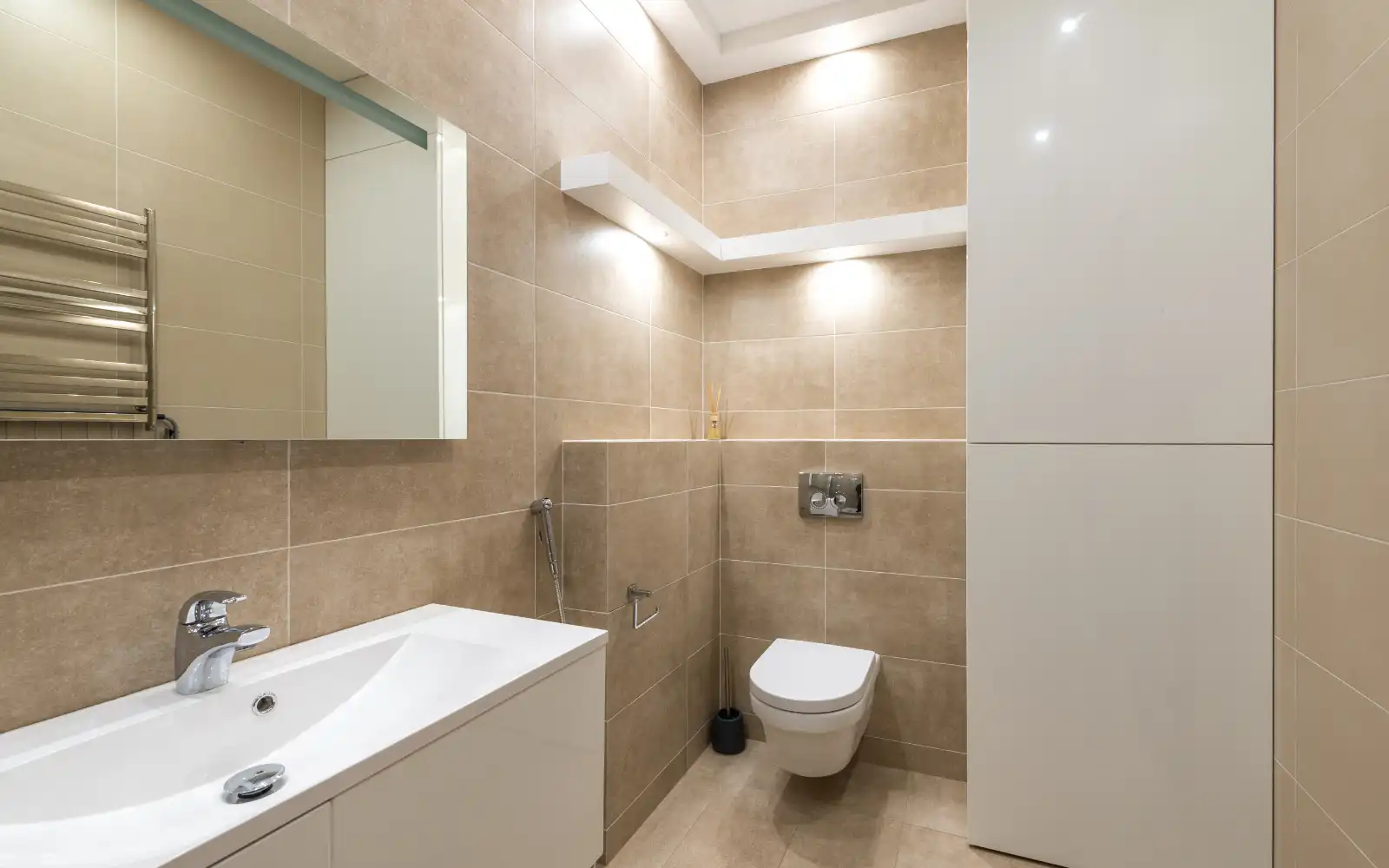
Choosing the Right Electrical Products for Bathrooms
Bathrooms have specific requirements for electrical products due to the moisture and steam that are ever-present. Whether you’re selecting lights, heating elements, or fans, it’s vital to choose products that are designed for bathroom use and meet UK safety standards.
Understanding IP Ratings
Every electrical product installed in a bathroom must have an IP (Ingress Protection) rating, which indicates how well the device is protected against dust and water. The first number in the rating refers to dust protection, and the second to water resistance.
- IPX4: Protects against water splashes and is suitable for Zone 2 or beyond.
- IPX5: Protects against water jets, making it ideal for shower areas.
- IPX7: Protects against immersion in water, suitable for Zone 0.
When choosing lights, extractor fans, and other electrical items for your bathroom, always check their IP rating to ensure they are safe for the intended location.
Essential Electrical Items for the Bathroom
Several electrical items are essential for a well-functioning bathroom. These include:
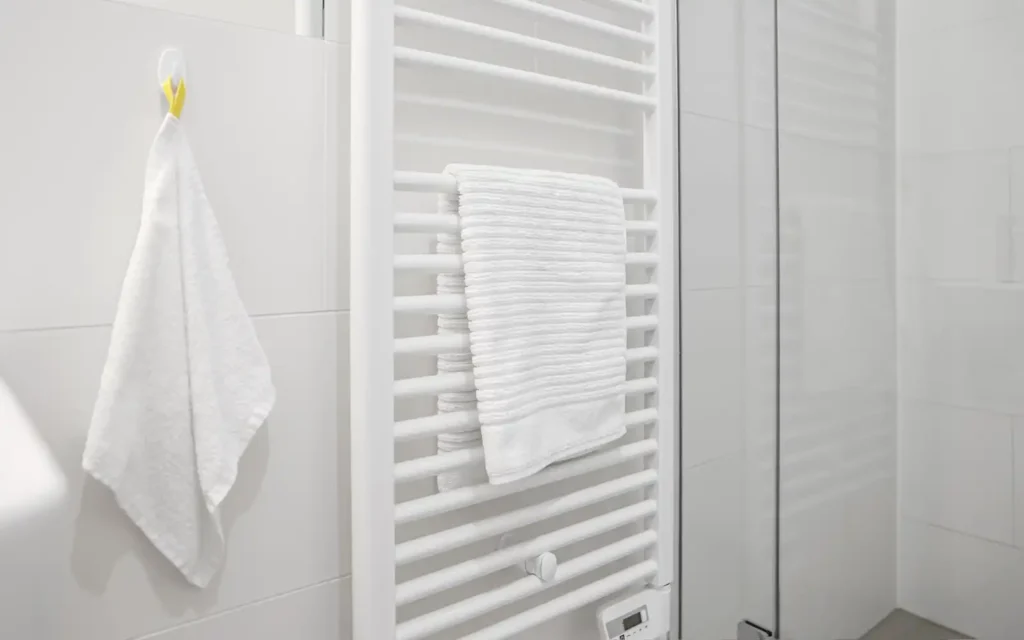
Heated Towel Rails: Heated towel rails add comfort and practicality, keeping your towels warm while also heating the room. Choose an electrically heated model that complies with bathroom safety standards.
Extractor Fans: Proper ventilation is crucial in bathrooms to prevent dampness, mould, and bad odours. Choose an extractor fan with a humidity sensor or timer to help manage moisture levels.
Bathroom Lighting: Lighting is both a practical and aesthetic necessity. Consider recessed ceiling lights with an IP rating suitable for Zones 1 or 2, as well as task lighting around mirrors.
Luxury Electrical Options
For those looking to add a touch of luxury to their bathroom, there are several options worth considering:
- Underfloor Heating: Adding underfloor heating not only makes your bathroom more comfortable but also helps to reduce moisture and prevent mould. Electric underfloor heating systems are easy to install and energy-efficient.
- Illuminated Mirrors: Mirrors with built-in lighting are popular for their dual functionality. Many models come with demisters to prevent fogging, making them a practical choice for busy bathrooms.
- Electric Showers: Electric showers are an energy-efficient choice, heating water on demand. They’re perfect for households that want to save on hot water costs while enjoying a powerful shower.
Disclaimer: Even when choosing products, the placement of these devices should follow zoning regulations. Always work with a bathroom fitter or electrician.
Electrical Zoning and Safe Placement of Devices
The correct placement of electrical devices in a bathroom is crucial for both safety and functionality. Understanding the zoning regulations helps ensure that everything is installed in a way that complies with UK law and minimises the risk of electrical hazards.
Zoning Breakdown
As mentioned earlier, bathrooms are divided into Zones 0, 1, and 2 based on their proximity to water. Here’s how these zones affect the placement of common electrical items:
Zone 2: This is where you can install IPX4-rated items such as shaver sockets or low-power heated towel rails.
Zone 0: Only fully waterproof, low-voltage devices (IPX7-rated) can be installed here. This includes some specialist lighting solutions or waterproof speakers inside baths or shower trays.
Zone 1: Suitable for IPX4-rated lighting and fans, as long as they are connected to a 30mA RCD.
Socket and Shaver Outlet Placement
Sockets are generally not permitted in bathrooms due to safety risks, except for shaver sockets or those specially designed for use in bathrooms. These should be placed outside of Zones 0 and 1, typically in Zone 2 or beyond.
Lighting Placement
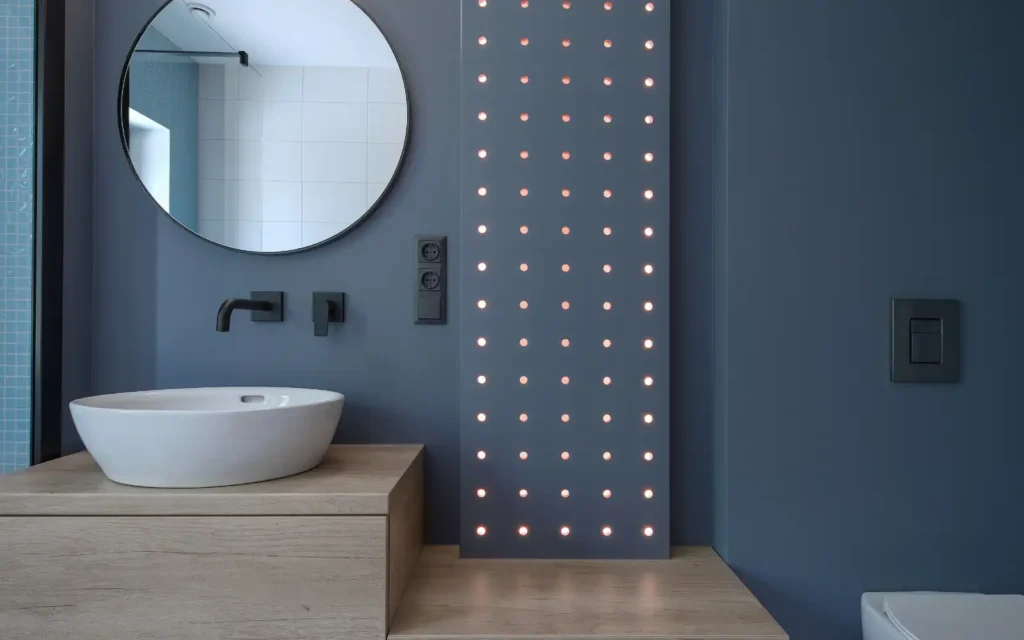
Lighting can dramatically improve the look and feel of a bathroom, but it’s vital to place it in the right zone. Recessed lights are popular choices for bathrooms because they are flush with the ceiling, reducing the risk of moisture build-up. Lights installed in Zone 1 (above the shower or bath) must be IPX4-rated or higher.
Disclaimer: Proper placement of electrical items ensures both functionality and safety. Consult a professional to make sure everything is positioned correctly.
Common Electrical Items You Might Want in Your Bathroom
A modern bathroom is more than just a functional space—it can also be a place for relaxation and luxury. Here are some popular electrical items that you might want to consider for your bathroom.
Practical Electrical Items
- Illuminated Bathroom Mirrors: These are essential for grooming and provide excellent task lighting. Many also include built-in demisters to keep the mirror clear after a hot shower.
- Extractor Fans with Humidity Sensors: These fans automatically activate when moisture levels rise, helping to keep your bathroom dry and free from dampness.
- Shaver Sockets: These are low-voltage sockets specifically designed for safely charging electric razors and toothbrushes.
Luxurious Electrical Additions
- Underfloor Heating: For the ultimate comfort, consider installing electric underfloor heating. This system keeps your bathroom floor warm and helps prevent condensation.
- Heated Towel Rails: An electrically heated towel rail is a perfect addition for those chilly mornings, offering warmth and style in one.
- Smart Technology: Integrate smart lighting or voice-activated devices in your bathroom to create a modern, tech-savvy space.
Energy Efficiency Considerations
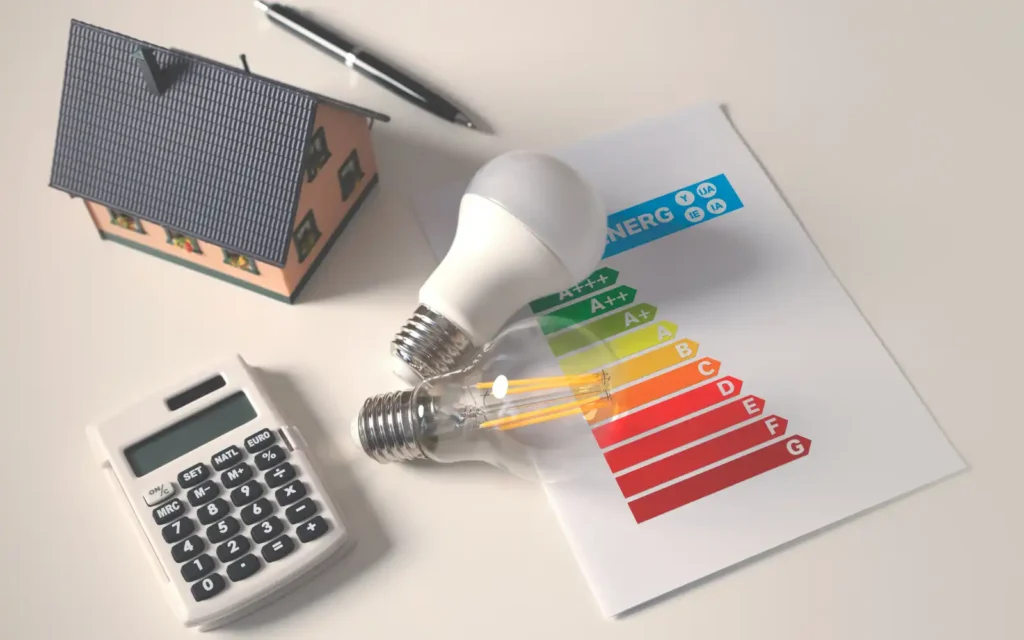
Energy-efficient products such as LED lights and low-energy heated towel rails can help reduce your electricity bills while providing excellent performance. Always look for products with good energy ratings to keep your costs down in the long term.
Disclaimer: For safe installation and operation, always hire a qualified bathroom fitter or electrician to install any electrical items in your bathroom.
Common Electrical Mistakes to Avoid
Electrical installations in bathrooms come with a unique set of risks. Homeowners can often make mistakes that not only lead to safety hazards but can also result in costly repairs. Here are the most common electrical mistakes to avoid:
DIY Electrical Work
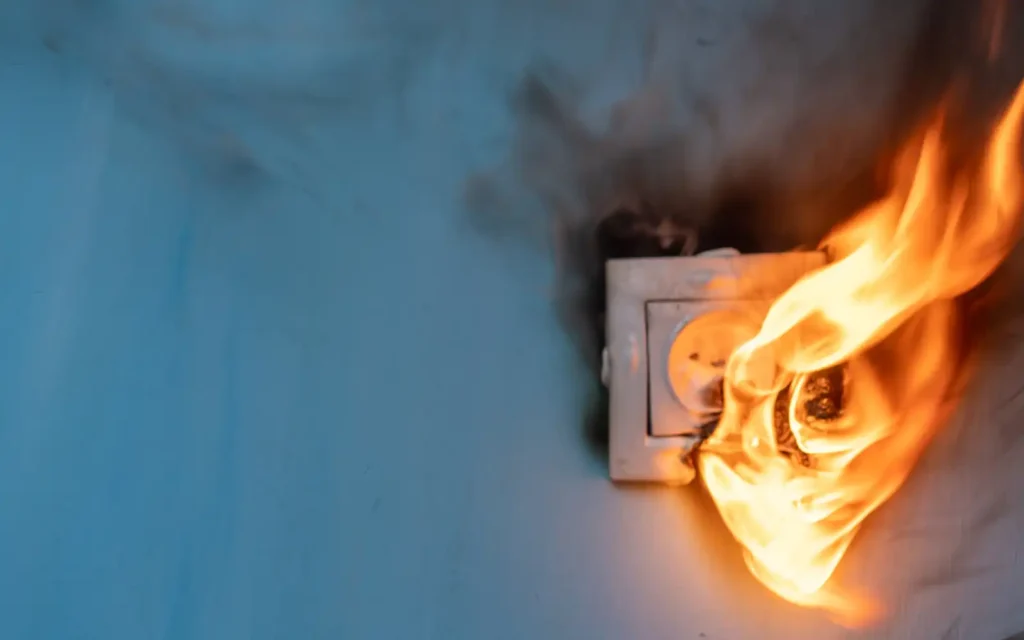
Electrical work in bathrooms must comply with strict UK regulations. DIY electrical work is not recommended and, in many cases, is illegal. Improperly installed electrics can cause fires, electric shocks, or worse.
Failing to Use IP-Rated Equipment
Using non-IP-rated equipment in a bathroom can lead to dangerous situations. Always ensure that all electrical products used in bathrooms are rated appropriately for their zone.
Poor Ventilation Solutions
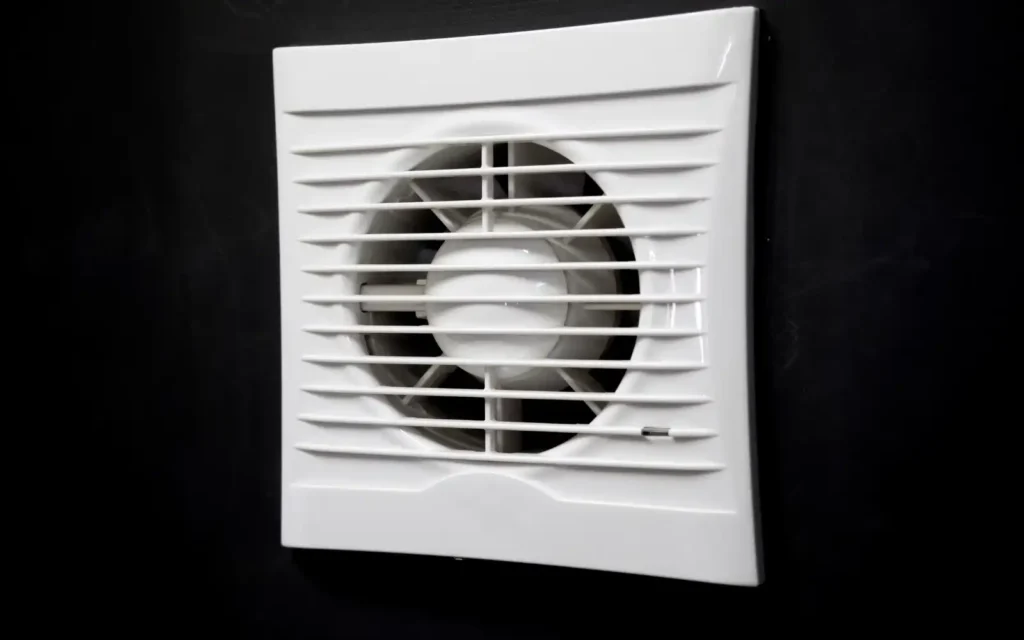
Without adequate ventilation, a bathroom can quickly become a breeding ground for damp and mould, which can damage electrical equipment. Always ensure you have a high-quality extractor fan installed.
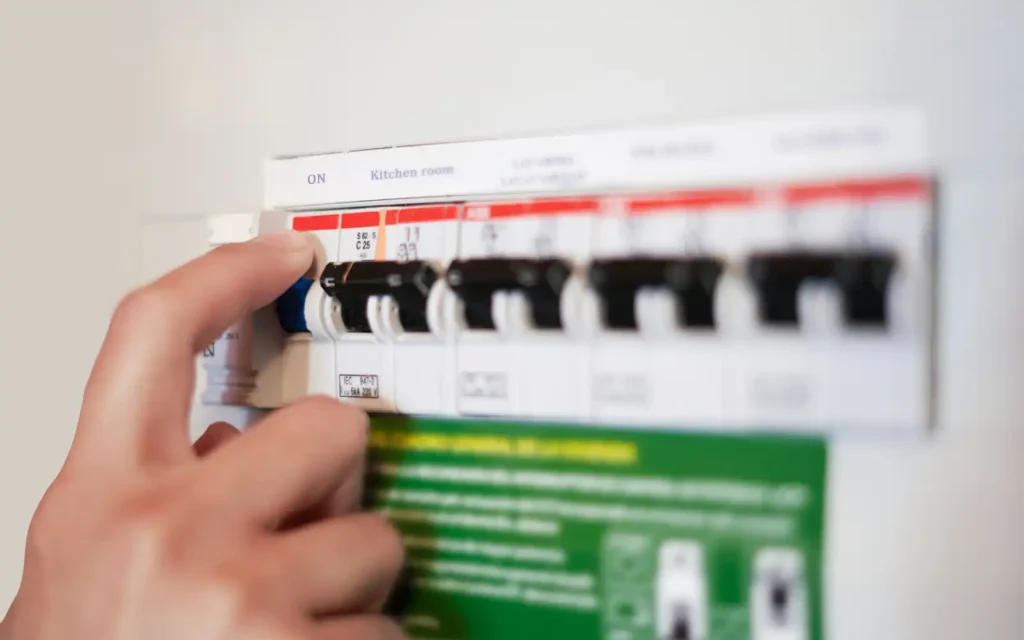
Ignoring RCD Protection
RCD protection is required by law in the UK for all bathroom electrical installations. If your bathroom doesn’t have RCD protection, it’s critical to have it installed by a certified electrician.
Incorrect Placement of Electrical Devices
Installing electrical items too close to water sources can be extremely dangerous. Ensure all devices are positioned correctly according to bathroom zoning regulations to minimise the risk of shock or damage.

Disclaimer: Avoid these mistakes by always hiring a qualified bathroom fitter or electrician who understands bathroom electrics.
Wrapping Up
Bathroom electrics are one of the most critical aspects of any renovation or upgrade. Ensuring that all electrical items are installed safely, following UK regulations, is vital to preventing accidents and ensuring your bathroom remains functional for years to come. Whether you’re upgrading your lighting, adding heated towel rails, or installing underfloor heating, make sure that all work is carried out by certified professionals.
Disclaimer: Never attempt DIY electrical work in a bathroom. Always consult a certified electrician or bathroom fitter to ensure your electrics are installed safely and legally.
FAQ
Looking for someone to install your bathroom ? Prowess Developments are ready to help! Just reach out to speak to your friendly Bathroom Fitters and schedule your FREE consultation. We’ll go through where you’re at, where you want to get to and whether we’re a good fit. Call 07878380036 or fill in this form to get started!